About
A dad’s site that gives parents, grandparents and caregivers research-based help with discipline, in three languages.
My story
I’m Brian. My wife Zoe and I are raising our two daughters, Naomi and Kelsea. Our family moved from Boston to Taiwan to be closer to my parents.
WeiMeiJiao grew out of raising our girls. It gathers what research says about disciplining children from birth to about age 12 and turns it into things you can actually do, in Simplified Chinese, Traditional Chinese and English.
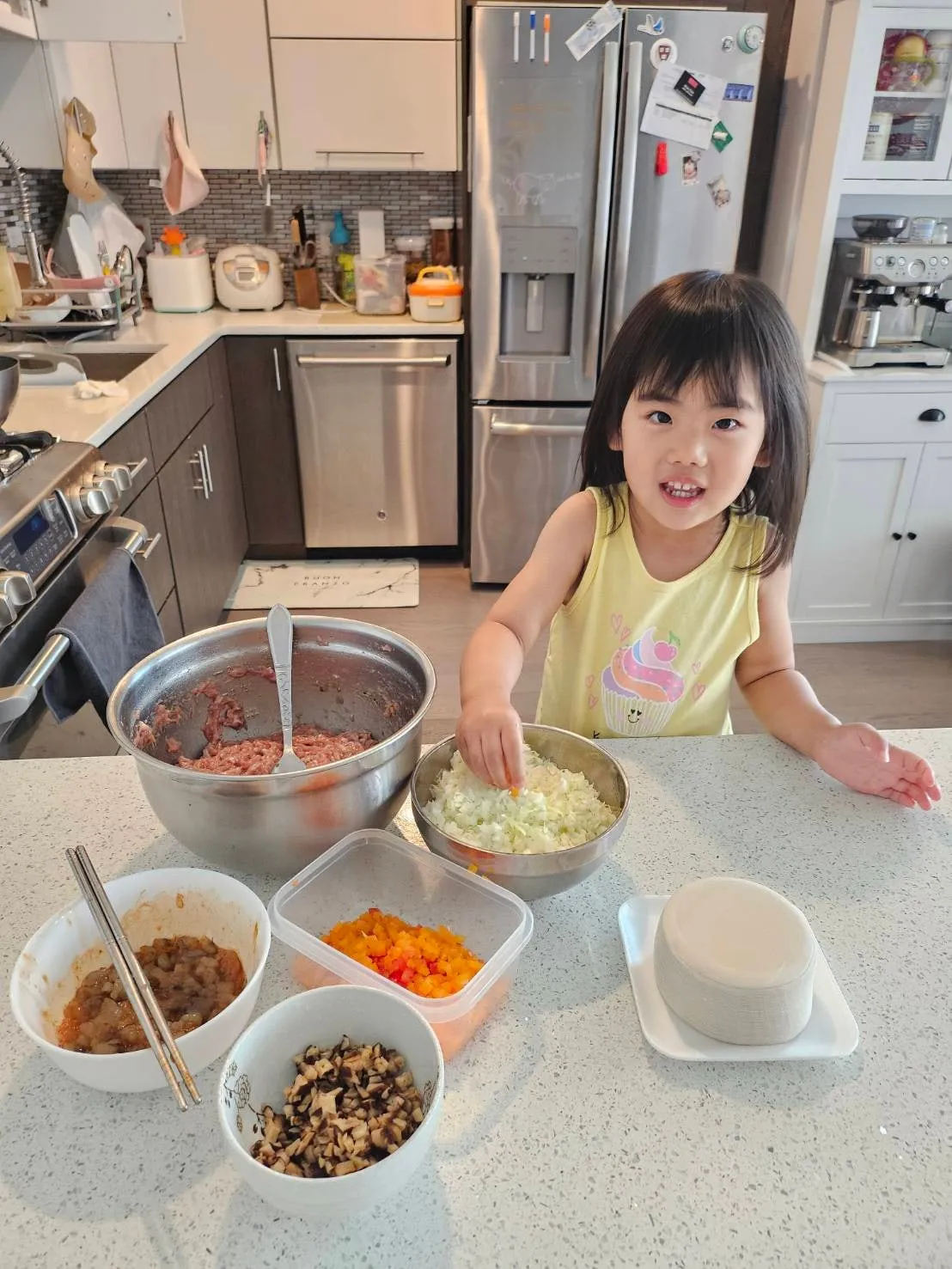
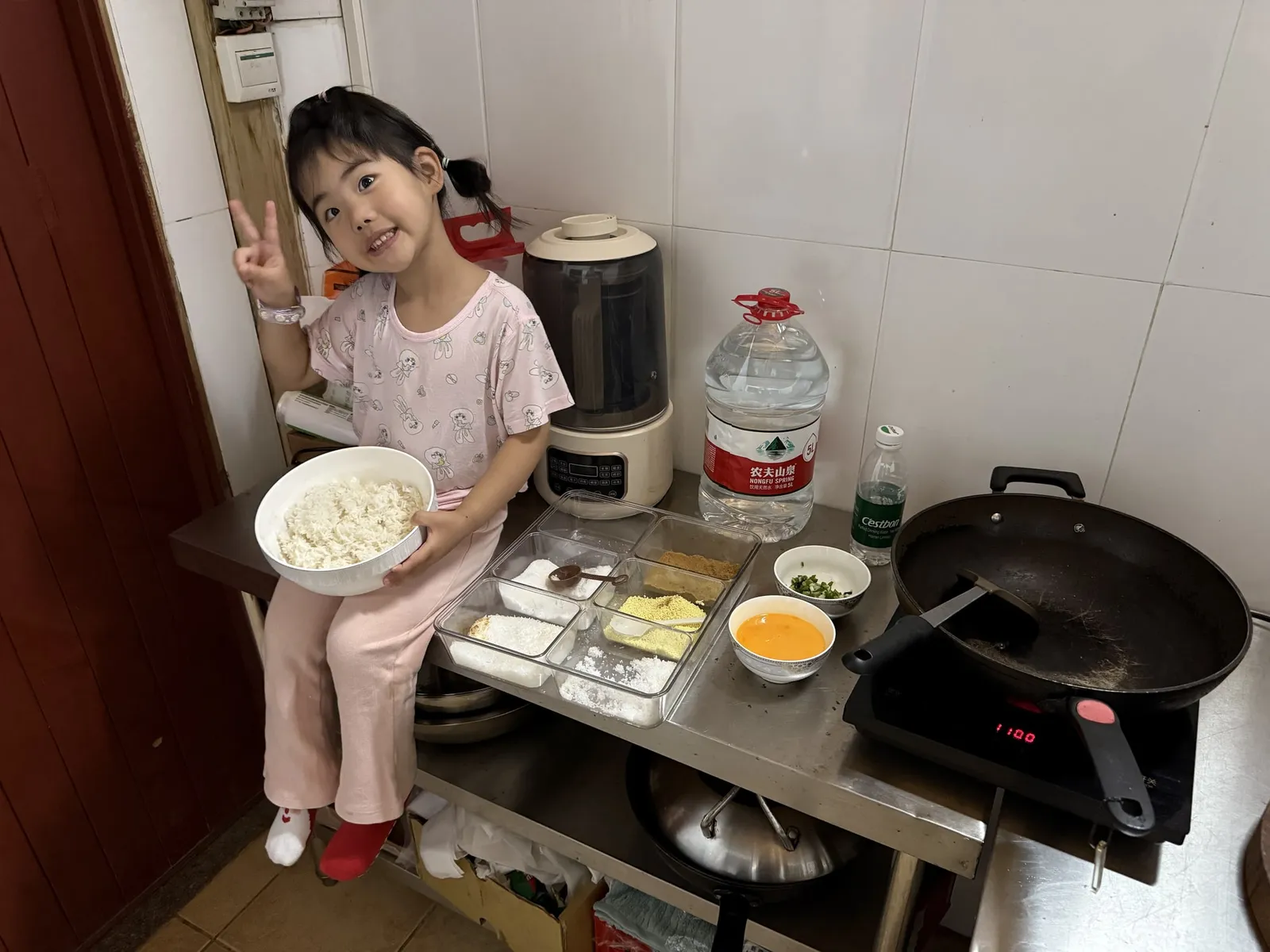
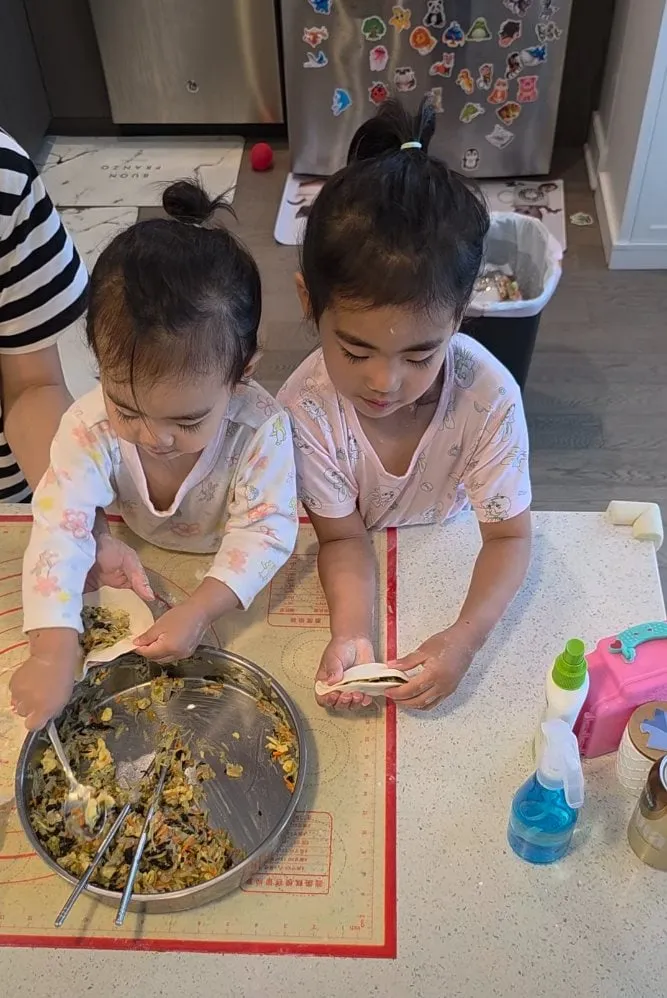
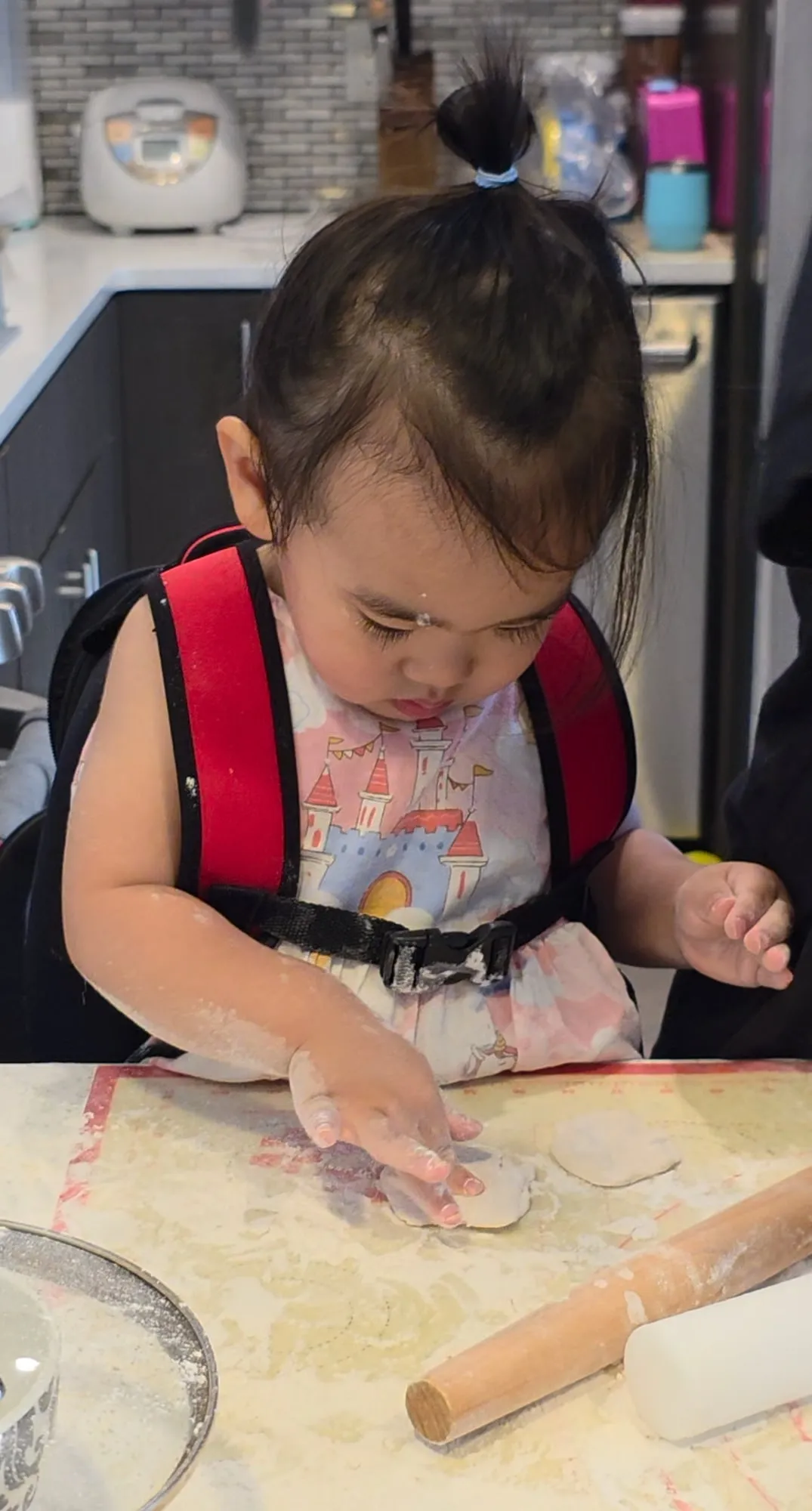
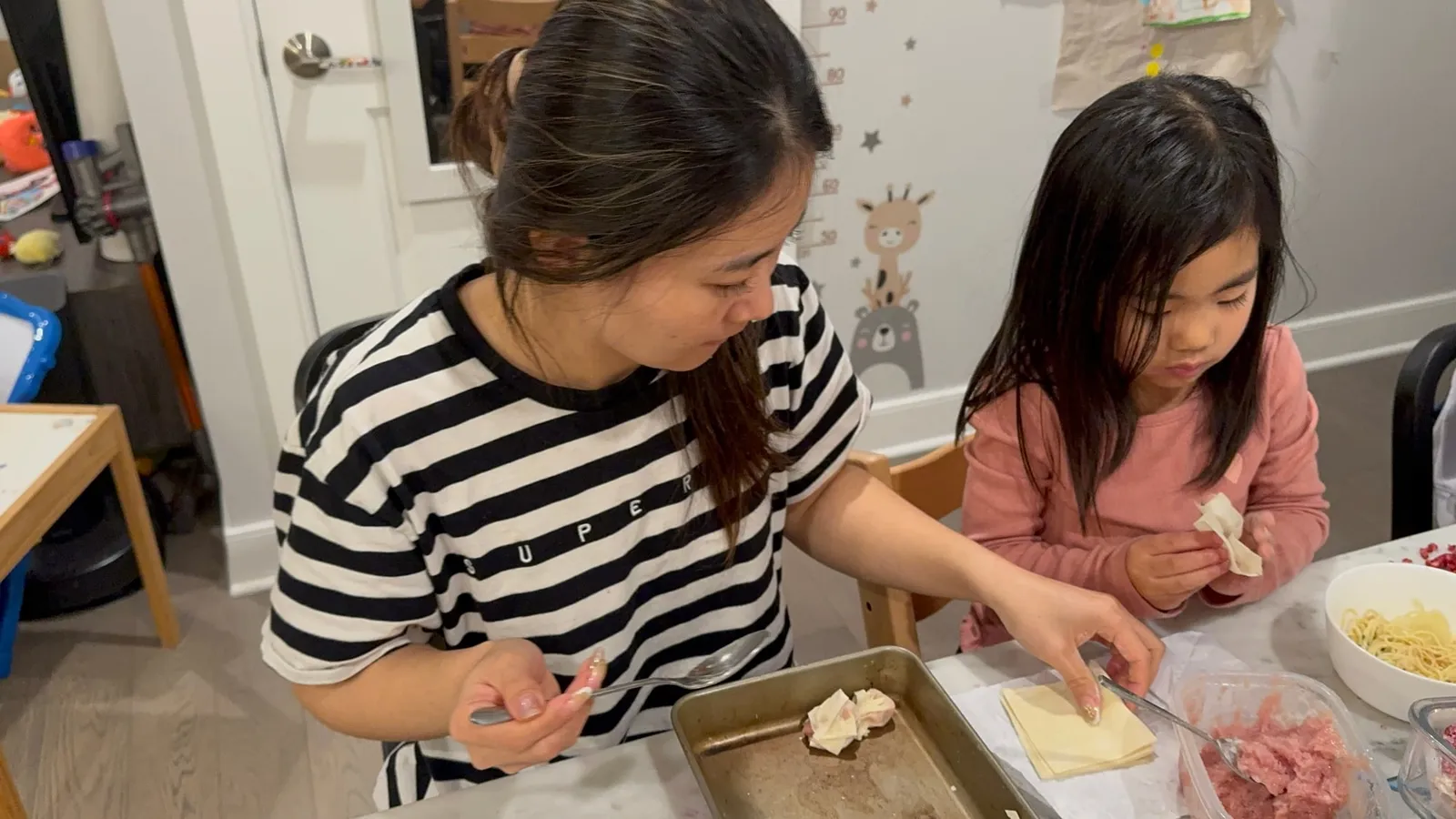
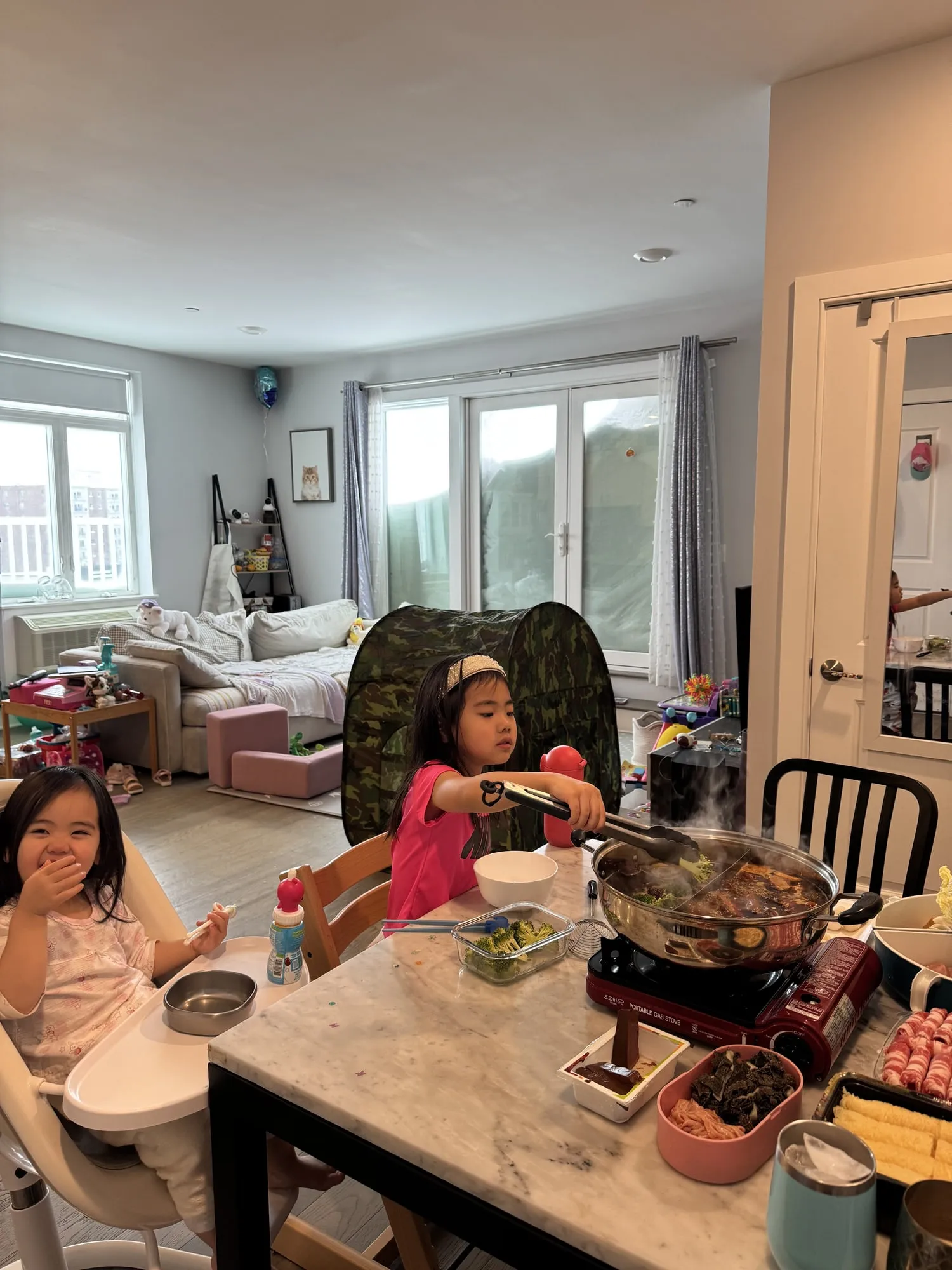
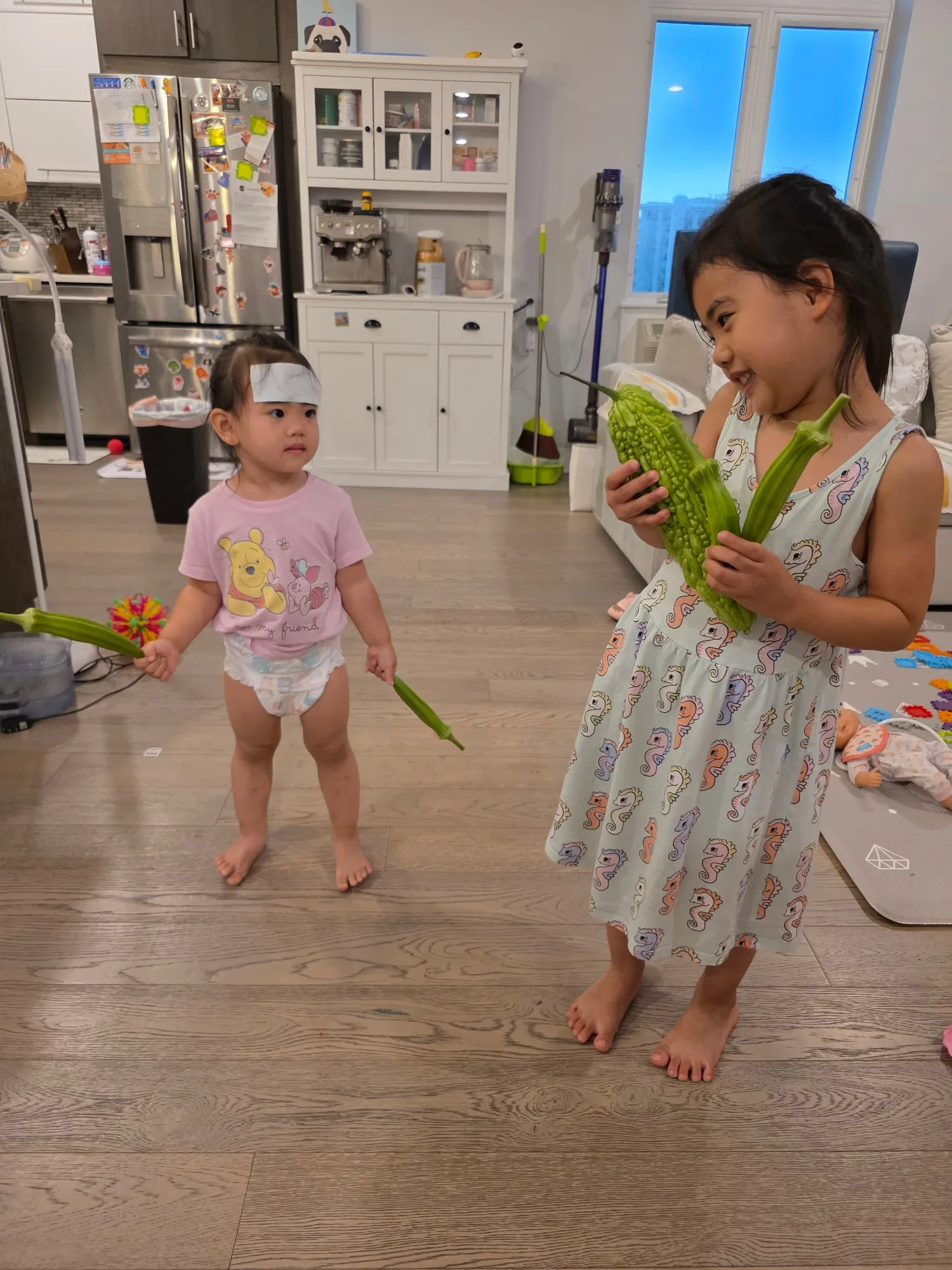
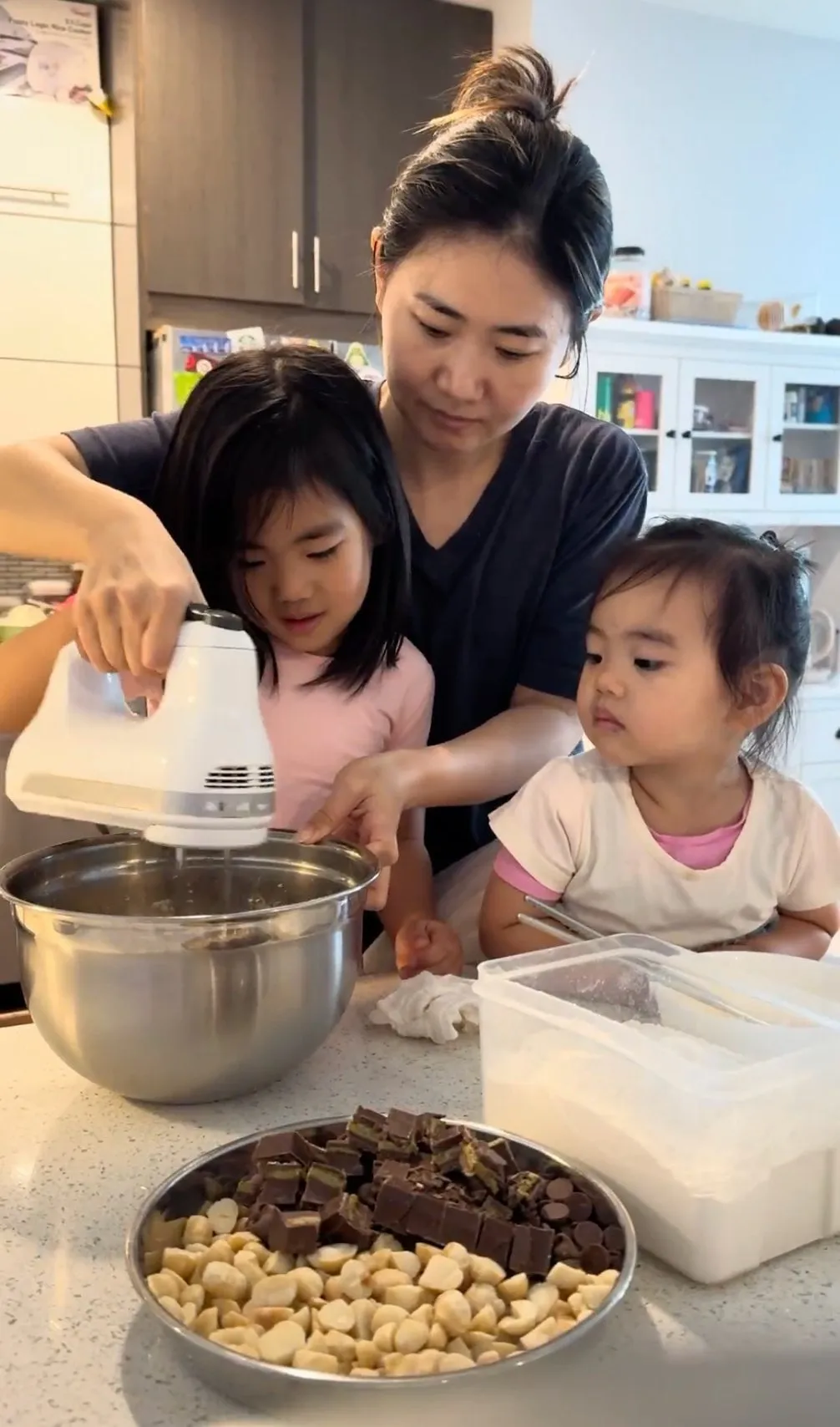
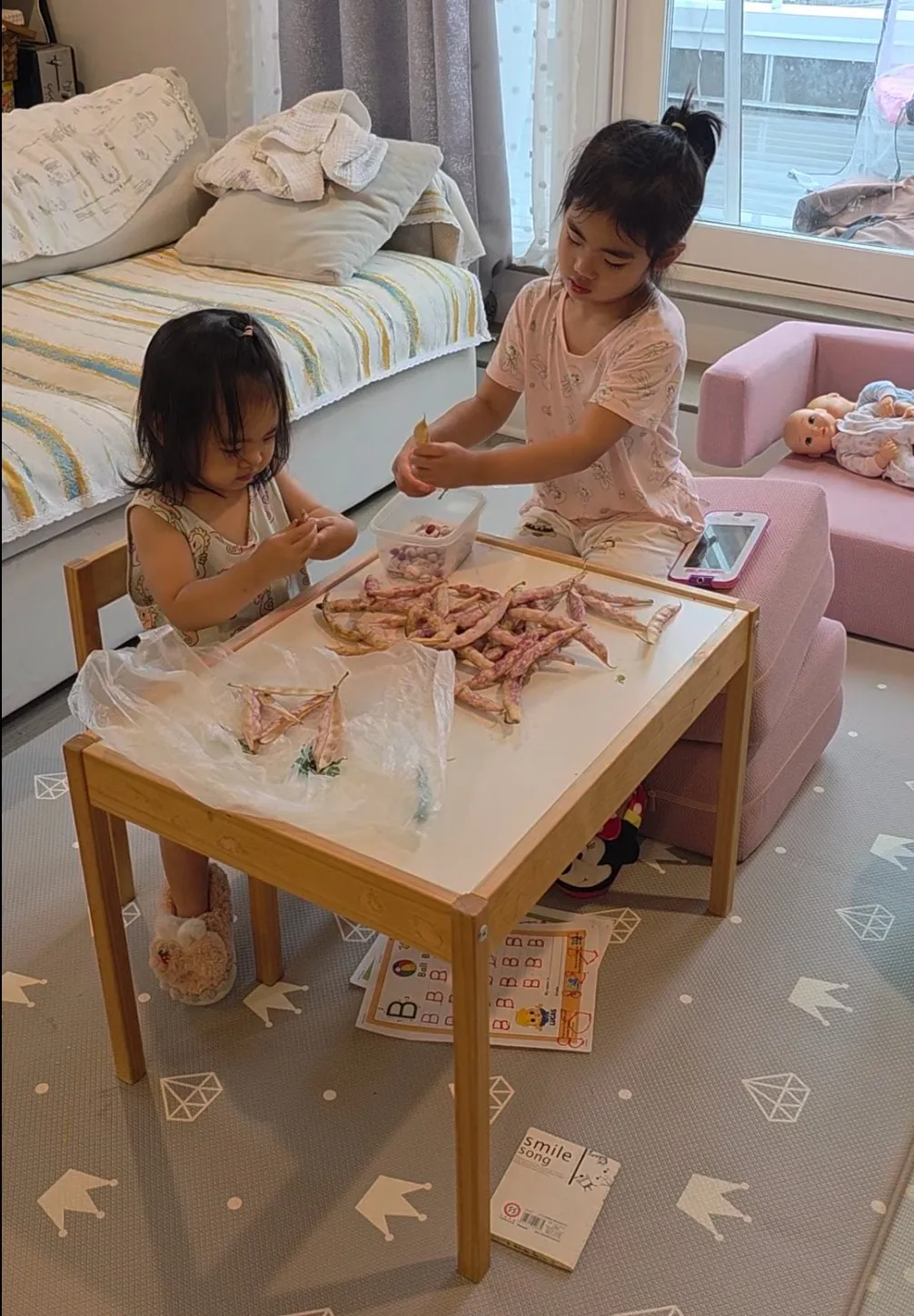
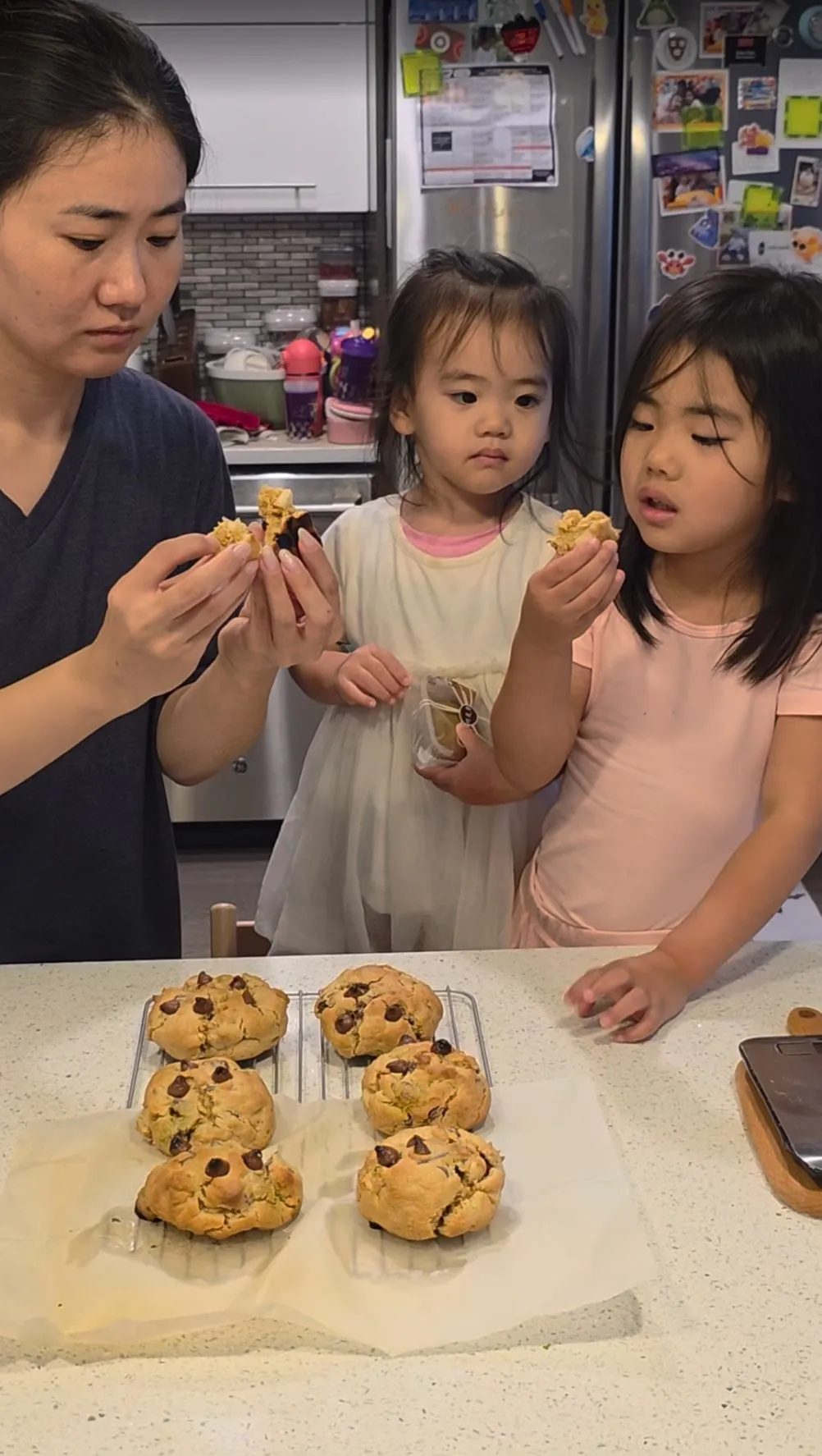
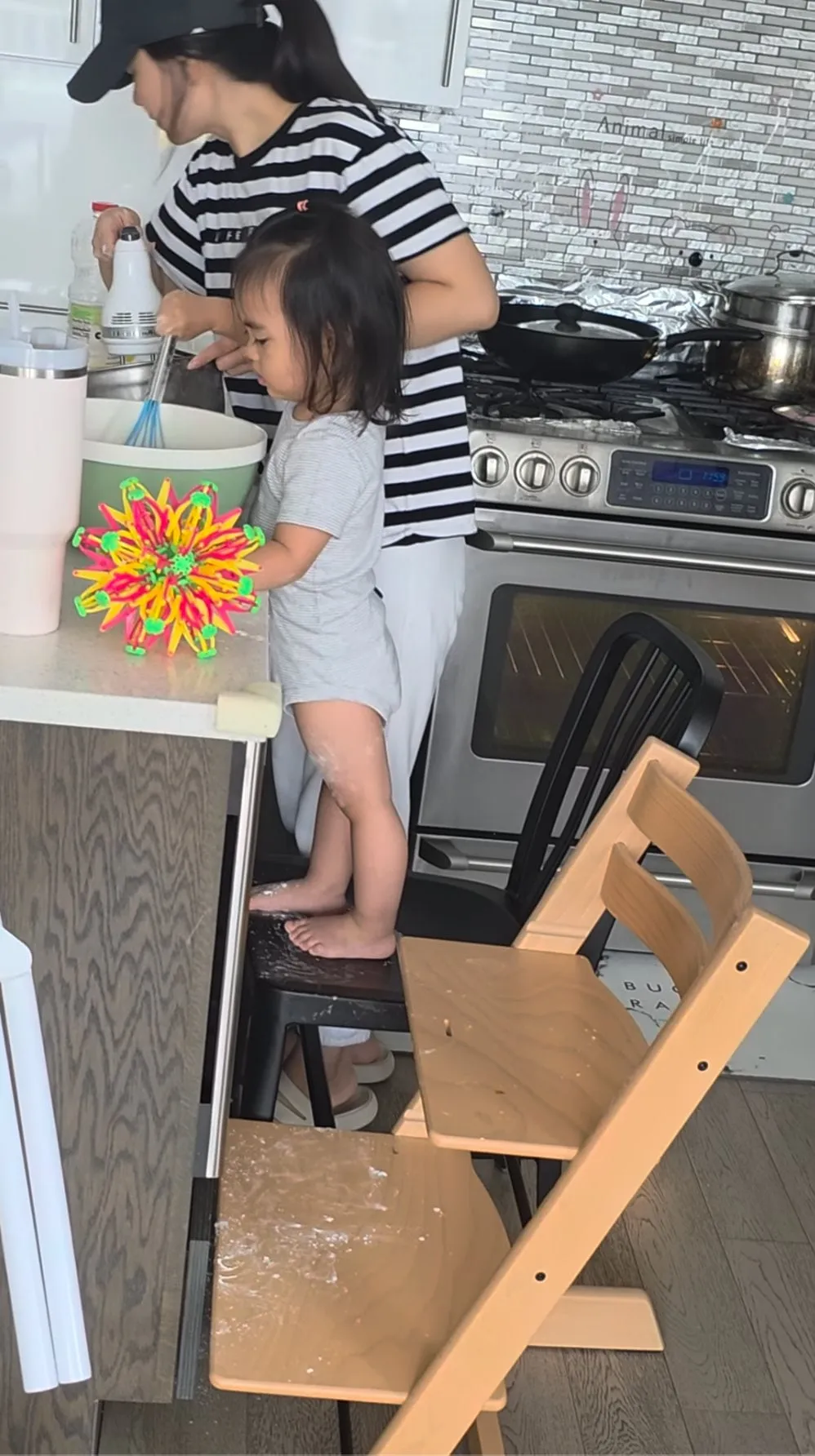
It is the companion to Show Tell Share, my site about building a family food culture with kids. The photos below are of our family, and they appear on Show Tell Share too.

Why this site
I want this site to do a few things well:
- What to do first. Every page starts with steps you can use right now, then explains why.
- Research, not hunches. Claims about what works, what harms or what is normal at an age link to academic sources, and the site says plainly when evidence is mixed or researchers disagree.
- By age. What is normal, and what works, differs a lot between a baby and a 12-year-old.
- For the whole family. Each language is written on its own, not machine-translated, so parents, grandparents and other caregivers can read the same advice in the language they know best.
- Free and private. No cookies and no tracking.
Sister site: Show Tell Share
Show Tell Share is my site about building a family food culture with kids. WeiMeiJiao is its companion: one is about food and family, the other about discipline. If your question is about food, start there. For mealtime battles seen from the discipline side, see mealtime struggles.
Disclaimer
This site offers general educational information. It is not medical, psychological or legal advice, and it does not replace a pediatrician, psychologist or other professional who knows your child.
The site does not cover the law of any country or region. Laws differ from place to place, so check the rules where you live.
Research findings describe what tends to happen across many families. You know your child best. Read more about the limits of the research on this site.
The illustrations on this site are AI-generated and are not photos of real children. The photos on this page are of my family.
When to get professional help
Hard behavior is often part of growing up. Nearly all preschoolers have tantrums sometimes, but daily tantrums are much less common.105 Physical aggression such as hitting rises in the second year of life and declines from the third birthday onward.67 Most children use it less and less as they grow, but about 1 in 6 stay at a high level.71
Talk to your pediatrician, a child psychologist or another qualified professional if you notice any of these:
- Tantrums that worry you. In a large community study, the tantrums that signaled possible problems were unpredictable, long-lasting or destructive, while milder ones tended to follow frustration in situations you could predict.105 In another study, preschoolers with disruptive behavior disorders were more often violent during tantrums, had more tantrums at school or daycare and had a harder time recovering, and preschoolers with depression more often hurt themselves during tantrums.69
- Aggression that is not easing. Your child still hits, bites or hurts others often as they get older.
- A missed milestone. Milestone checklists revised by an American Academy of Pediatrics working group list skills that most children (75% or more) would be expected to reach by a given checkup age.109 If your child has not reached one, raise it with your pediatrician now rather than waiting to see.
- Lost skills. Your child stops using words or skills they had before.
- Concerns about communication, attention or how your child relates to others. Autism can be diagnosed as young as 18 months, and a 2020 American Academy of Pediatrics clinical report recommends autism screening at 18 and 24 months.79 You do not have to wait until school age to ask. See also developmental differences, ADHD and autism.
- No progress after several weeks. You have used the core approach consistently for several weeks and nothing is changing, or the behavior is getting in the way at home, at school or with friends. See when it is not working.
- You are struggling. You feel low, anxious or angry much of the time, or you cannot cope. Your own well-being matters, and your doctor can help.
Call your local emergency number or one of the help lines below right away if your child hurts themselves on purpose, talks about wanting to die or seriously hurts someone; if you think someone may be hurting your child; or if you are afraid you might hurt your child. If a crying baby is pushing you to your limit, put the baby down in a safe place such as the crib, step away for a few minutes and call someone for support. Never shake a baby. The warning signs that discipline has turned into abuse are on the physical discipline page.
Help lines
If anyone is in danger right now, call your local emergency number. The lines below were checked on each service’s official website. Numbers can change, so if one does not work, check the service’s website.
Mainland China
- Police: 110
- Ambulance: 120
- National psychological assistance hotline: 12356 (being rolled out province by province, according to the National Health Commission)
- Youth service line of the Communist Youth League: 12355
- All-China Women’s Federation women’s rights line: 12338 (also takes concerns about children)
Taiwan
- Police: 110
- Fire and ambulance: 119
- Protection hotline of the Ministry of Health and Welfare: 113 (24 hours, for domestic violence and for children, teens, older people or people with disabilities who are abused or neglected)
- Mental health support line of the Ministry of Health and Welfare: 1925 (free, 24 hours)
- Lifeline: 1995
- Teacher Chang counseling line: 1980
Hong Kong
- Emergency: 999
- Social Welfare Department hotline: 2343 2255
- The Samaritan Befrienders Hong Kong, 24-hour line: 2389 2222
United States
- Emergency: 911
- 988 Suicide & Crisis Lifeline: call or text 988
- Childhelp National Child Abuse Hotline: 1-800-422-4453
United Kingdom
- Emergency: 999
- NSPCC Helpline, for adults worried about a child: 0808 800 5000
- Childline, for children: 0800 1111
- Family Lives parent helpline: 0808 800 2222
Somewhere else? Contact your local emergency services, or ask your pediatrician about support near you.
Sources
The small numbers in the text point to these sources. Each one has a full entry on the Research page.
- Alink, L. R. A., Mesman, J., van Zeijl, J., Stolk, M. N., Juffer, F., Koot, H. M., Bakermans-Kranenburg, M. J., & van IJzendoorn, M. H. (2006). The early childhood aggression curve: development of physical aggression in 10- to 50-month-old children. Child Development, 77(4), 954-966. See it on the Research page doi:10.1111/j.1467-8624.2006.00912.x Back to the text
- Belden, A. C., Thomson, N. R., & Luby, J. L. (2008). Temper Tantrums in Healthy Versus Depressed and Disruptive Preschoolers: Defining Tantrum Behaviors Associated with Clinical Problems. The Journal of Pediatrics, 152(1), 117-122. See it on the Research page doi:10.1016/j.jpeds.2007.06.030 Back to the text
- Côté, S. M., Vaillancourt, T., LeBlanc, J. C., Nagin, D. S., & Tremblay, R. E. (2006). The development of physical aggression from toddlerhood to pre-adolescence: a nation wide longitudinal study of Canadian children. Journal of Abnormal Child Psychology, 34(1), 71-85. See it on the Research page doi:10.1007/s10802-005-9001-z Back to the text
- Hyman, S. L., Levy, S. E., Myers, S. M., Council on Children With Disabilities, Section on Developmental and Behavioral Pediatrics, Kuo, D. Z., Apkon, S., Davidson, L. F., Ellerbeck, K. A., Foster, J. E. A., Noritz, G. H., Leppert, M. O., Saunders, B. S., Stille, C., Yin, L., Weitzman, C. C., Childers, D. O., Levine, J. M., Peralta-Carcelen, A. M., Poon, J. K., . . . Bridgemohan, C. (2020). Identification, Evaluation, and Management of Children With Autism Spectrum Disorder. Pediatrics, 145(1), e20193447. See it on the Research page doi:10.1542/peds.2019-3447 Back to the text
- Wakschlag, L. S., et al. (2012). Defining the developmental parameters of temper loss in early childhood: implications for developmental psychopathology. Journal of Child Psychology and Psychiatry, 53(11), 1099-1108. See it on the Research page doi:10.1111/j.1469-7610.2012.02595.x Back to the text
- Zubler, J. M., Wiggins, L. D., Macias, M. M., Whitaker, T. M., Shaw, J. S., Squires, J. K., Pajek, J. A., Wolf, R. B., Slaughter, K. S., Broughton, A. S., Gerndt, K. L., Mlodoch, B. J., & Lipkin, P. H. (2022). Evidence-Informed Milestones for Developmental Surveillance Tools. Pediatrics, e2021052138. See it on the Research page doi:10.1542/peds.2021-052138 Back to the text